

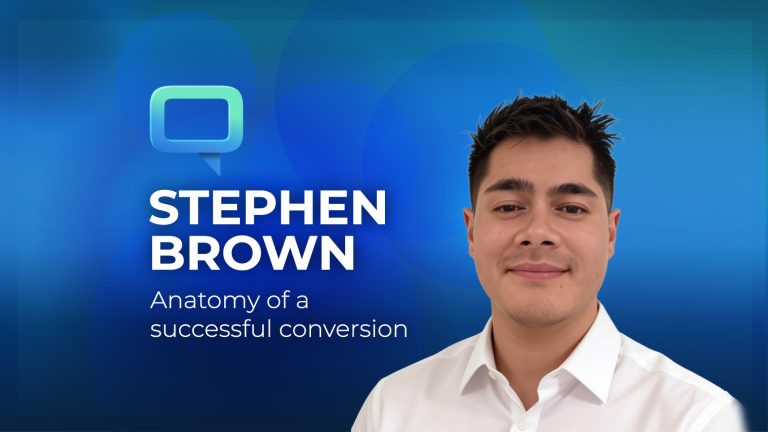
At BanQsi, no two banking transformation projects are ever the same. Every conversion, merger, and modernization initiative comes with its own systems, stakeholders, risks, and operational realities.
To learn more about what successful projects really look like behind the scenes, we sat down with one of BanQsi’s team members who has spent nearly two decades working in financial services and technology transformation.
With experience supporting both the business and technical sides of system conversions and mergers, he shared insights on project preparation, teamwork, cutover readiness, and what separates successful implementations from difficult ones.
Tell us about your experience before joining BanQsi.
I spent about eight years leading and supporting system conversions and mergers, along with roughly a decade working in credit unions and banks in a variety of lending-related roles.
One thing that helped shape my perspective is that I’ve worked on both sides of these projects. I’ve been involved in business analysis as well as programming and technical delivery, so I understand how significant these initiatives can be for an organization and the people working through them.
What made you want to join BanQsi?
The biggest thing was the opportunity to work with strong leaders who really know this space.
I was also one of the earlier hires at BanQsi, and I liked the idea of helping build something from the ground up. It felt like an opportunity to grow alongside the company.
What stood out to me was the focus on partnership. BanQsi doesn’t take a “deliver the project and move on” approach. The team genuinely cares about client outcomes and long-term success.
What should financial institutions consider before starting a major technical initiative like a merger or core conversion?
The first thing is being clear on what success actually looks like.
A lot of organizations underestimate how different systems can be. No two environments are exactly alike. Sometimes you may lose a piece of functionality during a transition, but in return you gain efficiencies, automation, or new capabilities that better support the future state of the organization.
Preparation is also critical. That includes making sure data and systems are in good shape before the project starts, setting realistic timelines, and ensuring the right people are available throughout the process.
Another major factor is governance. Teams need clarity around who makes decisions and how those decisions get made.
And finally, change management matters just as much as the technology itself. Preparing staff for operational and process changes is a huge part of a successful transformation.
What are the first steps BanQsi takes when engaging with a client?
The first step is listening.
We spend time understanding what the client is actually trying to achieve, not just technically, but operationally and strategically as well.
From there, we work to build a clear picture of the current systems, processes, and risks. One thing our team does well is identifying potential issues early instead of allowing them to surface later during critical stages of the project.
We also focus heavily on creating a clear structure around communication, project planning, and decision-making from the beginning.
And just as importantly, we make sure the right people are involved early.
What is BanQsi’s approach when challenges or unexpected issues arise?
Honestly, one of the most impressive things about BanQsi is the depth of knowledge across the team.
If there’s a gap or an issue that needs solving, people jump in immediately. We collaborate quickly and share information fast. Internally we joke about “knowledge bombing” problems because the team comes together so rapidly to solve them.
What stands out most is that people stay calm and focused. Nobody panics. The focus is always on finding the best path forward for the client.
It’s honestly awesome to see and be part of.
What should organizations do to prepare their teams for cutover and go-live?
Communication is huge. Start early and keep it consistent throughout the project.
Teams need to understand what their role is during cutover and where they go for support when things get busy.
Training also needs to happen well before go-live, not at the last minute.
And testing is critical. Test everything, then test it again.
The more prepared teams are before cutover weekend arrives, the smoother the transition tends to be.
What kind of support does BanQsi provide after go-live?
BanQsi stays heavily involved immediately after conversion.
That includes support with hands-on assistance right after go-live, helping teams resolve issues as they settle into the new environment, and providing ongoing guidance to ensure systems and operations continue running smoothly.
The goal is not just getting clients live but helping them succeed after the implementation is complete.
Any final thoughts?
No two projects are the same, and BanQsi treats them that way.
The team genuinely cares about client success, and there’s a strong culture of collaboration and shared knowledge internally.
There’s a real sense that no problem is too big for the team to solve together.